
Medical Billing Audit Checklist for 2026: What Practices Should Review

The process of auditing medical bills has been seen as a key strategy by healthcare practices in 2026 due to increased claims scrutiny by payers, changes in regulations, and more complicated revenue cycle problems. According to the American Medical Association, administrative expenses comprise around 15–30% of the health care budget of the United States, and […]
Patient Collections without Hurting Patient Experience: Practical Billing Tips

Collection from patients is becoming increasingly difficult as patients are having to pay a larger percentage of healthcare costs themselves. In the United States, patients account for about 30% of healthcare provider revenues, while high-deductible health care policies have resulted in higher patient out-of-pocket costs. Providers, therefore, are experiencing an increase in patient collections accounts […]
What Is Claim Scrubbing in Medical Billing and Why Clean Claims Depend on It

The precision of medical claims has increasingly emerged as a significant problem faced by health care facilities because the accuracy of these claims impacts the cash flows and the period of time taken for payments. As per industry experts, the rate of denial of claims during the initial stages has been around 11.81% in 2024, […]
Payment Posting Errors That Quietly Reduce Medical Practice Revenue

The process of payment posting is among the most crucial tasks within the revenue cycle of medical billing since it involves recording payments from the patients and the insurers and making adjustments to the balance of the accounts. According to the industry reports, healthcare organizations experience an annual loss of 3% to 5% of their […]
How to Read an A/R Aging Report: A Complete Guide to Aging Buckets

The A/R Aging Report is a financial tool which classifies outstanding insurance claims and patient balances based on how long they have been outstanding, usually classified in terms of 30, 60, 90 and 120 days of aging. Healthcare facilities pay attention to this report since delays may affect cash flow and result in the increase […]
Denial Rate vs Rejection Rate: The Difference Every Practice Should Know
Inefficient billing continues to be one of the largest sources of revenue leakage with statistics indicating that 5–10% of claims are denied in the industry. Differentiating claim denial from claim rejection is important since these two events happen at different points in the revenue cycle and require different remedies. A confusion between denial and rejection […]
How Eligibility Verification Minimizes Front-End Denials Before Claims Are Filed

Claim rejection rates can be anywhere between 5 percent to 10 percent, with most of the rejections being caused by issues at the front end like wrong information about the patient or inactive insurance. Furthermore, according to the Medical Group Management Association, fixing even one rejected claim can cost more than $25 in administrative costs. […]
CMS Skin Substitute Graft and CTP Payment Changes: What Providers Need to Know

The Medicare billing rules for skin substitute grafts and Cellular and Tissue-Based Products (CTPs) are changing considerably in 2026 as the Centers for Medicare & Medicaid Services (CMS) introduces new billing policies and procedures designed to tackle high Medicare costs and ensure greater compliance within the wound care field. There has been increasing scrutiny into […]
Medical Billing KPI Benchmarks for Small Practices: Clean Claims, A/R Days, and Denial Rate

Tracking medical billing KPIs is one of the most effective ways to understand the health of the revenue cycle for small healthcare practices. These systems of measurement provide valued insight into how claims are processed in a professional manner, how rapidly payments are collected, and where operational issues may be contributing to financial performance outcomes. […]
Top Outsourced Medical Billing Companies in USA for Medical Practices
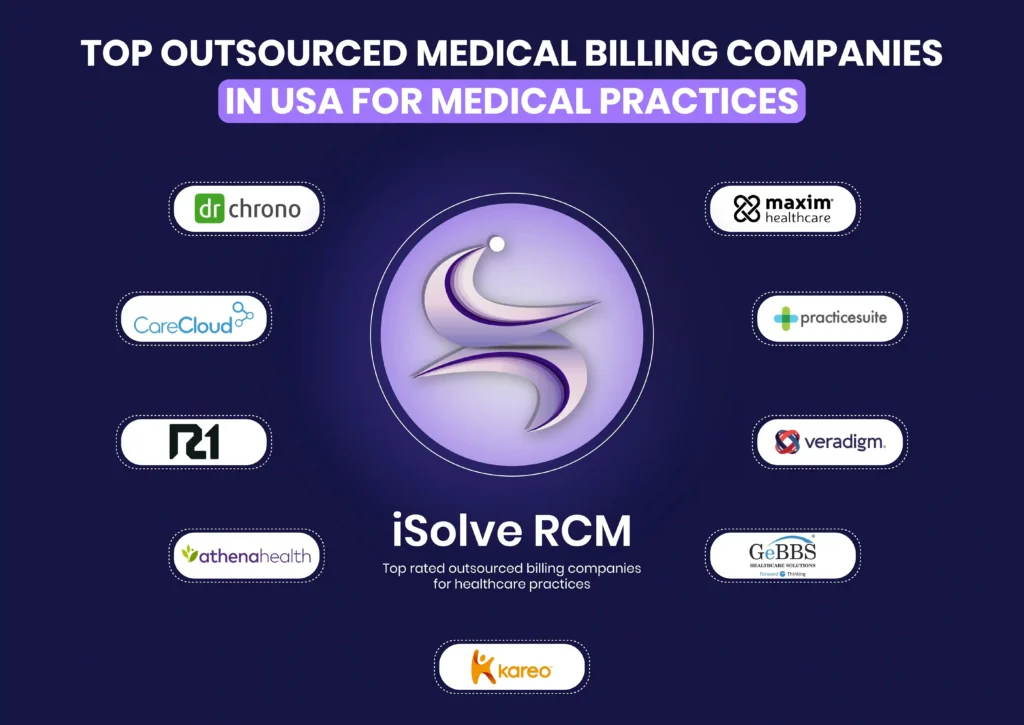
Medical billing outsourcing in the USA is quickly growing as healthcare providers try to find efficient ways to accomplish claims, minimize administrative workload, and advance revenue cycle performance through particular third-party billing companies and services. Healthcare providers gradually outsource medical billing to minimize administrative costs, improve precision, warrant compliance, and accelerate reimbursements. This blog will […]